


Non-Acidic Vegetables and Fruits: Benefits and Why They Matter for Your Health
Maintaining a balanced diet isn’t just about calories or vitamins — acid-forming vs. non-acidic (alkaline-forming) foods also play an important role in how your body feels and functions. For people dealing with acid reflux, sensitive stomachs, inflammation, joint pain, or fatigue, choosing non-acidic vegetables and fruits can make a noticeable difference.
This guide explores what non-acidic produce is, why it’s beneficial, and which fruits and vegetables are the gentlest on your system.
What Are Non-Acidic Foods?
Non-acidic foods are often referred to as alkaline-forming foods. While all foods have a natural pH, what matters most is how they affect the body after digestion.
Non-acidic fruits and vegetables:
- 1) Help neutralise excess stomach acid, 2) Support a stable internal pH, 3) Are easier on digestion and 4) Reduce irritation in the gut and oesophagus
They are especially helpful for people experiencing:
Acid reflux or GERD, 2) Gastritis, 3) Inflammation, 4) Digestive discomforting 5) Chronic fatigue
Benefits of Non-Acidic Vegetables and Fruits
1. Supports Digestive Health
Non-acidic produce is generally high in fiber and water, helping digestion run smoothly while minimising bloating and irritation.
2. Reduces Acid Reflux & Heartburn
Alkaline-forming foods help counteract excess stomach acid, reducing burning sensations and discomfort after meals.
3. Helps Fight Inflammation
Many non-acidic fruits and vegetables are rich in antioxidants and phytonutrients that reduce inflammation throughout the body.
4. Boosts Energy Levels
A balanced pH supports cellular function and oxygen efficiency, which can help reduce fatigue.
5. Supports Bone & Muscle Health
Alkaline-forming foods help preserve calcium and magnesium, minerals essential for strong bones and healthy muscles.
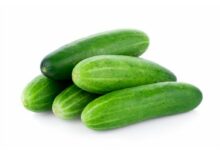
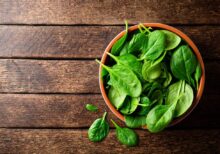
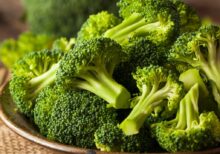

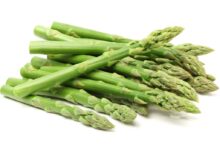
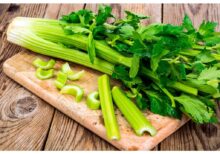
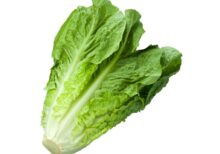
These vegetables are considered among the least acidic and easiest to digest:
-
Cucumber – Extremely hydrating, soothing, and cooling
-
Spinach – Alkaline-forming and rich in iron and magnesium
-
Broccoli – Supports detoxification and gut health
-
Zucchini – Gentle, low-acid, and easy to digest
-
Asparagus – Naturally alkaline and supports kidney health
-
Celery – Anti-inflammatory and high in water content
-
Lettuce (especially romaine & butter lettuce) – Light and calming for digestion
Non-Acidic Fruits (Low-Irritation Options)


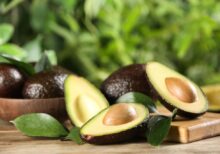
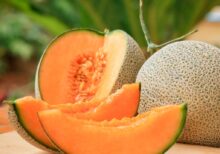


While many fruits are acidic, these options are typically low-acid and stomach-friendly:
-
Ripe bananas – Help coat the stomach lining
-
Papaya – Contains enzymes that aid digestion
-
Watermelon – Highly alkaline and hydrating
-
Cantaloupe – Gentle and refreshing
-
Avocado – Healthy fats that support gut health
-
Pears – Mild, fiber-rich, and soothing
|| Tip:The ripeness of fruit matters — underripe fruit is often more acidic. ||
How to Add More Non-Acidic Produce to Your Diet
-
Start your day with a banana or papaya smoothie
-
Add leafy greens to soups, stews, or wraps
-
Snack on cucumber slices or pears
-
Replace acidic sauces with avocado-based dressings
-
Steam vegetables instead of frying to keep them gentle